Interview InsightsAll Articles

The Science of Mock Interview Practice: How Verbal Simulation Lowers Stress and Boosts Offer Rates

Published cognitive science research reveals why passive studying fails under interview pressure and how out-loud verbal practice retrains neural recall.

PR
Pankaj RawatFounder & Engineering Lead at PracticeOnline
July 16, 2026
6 min read
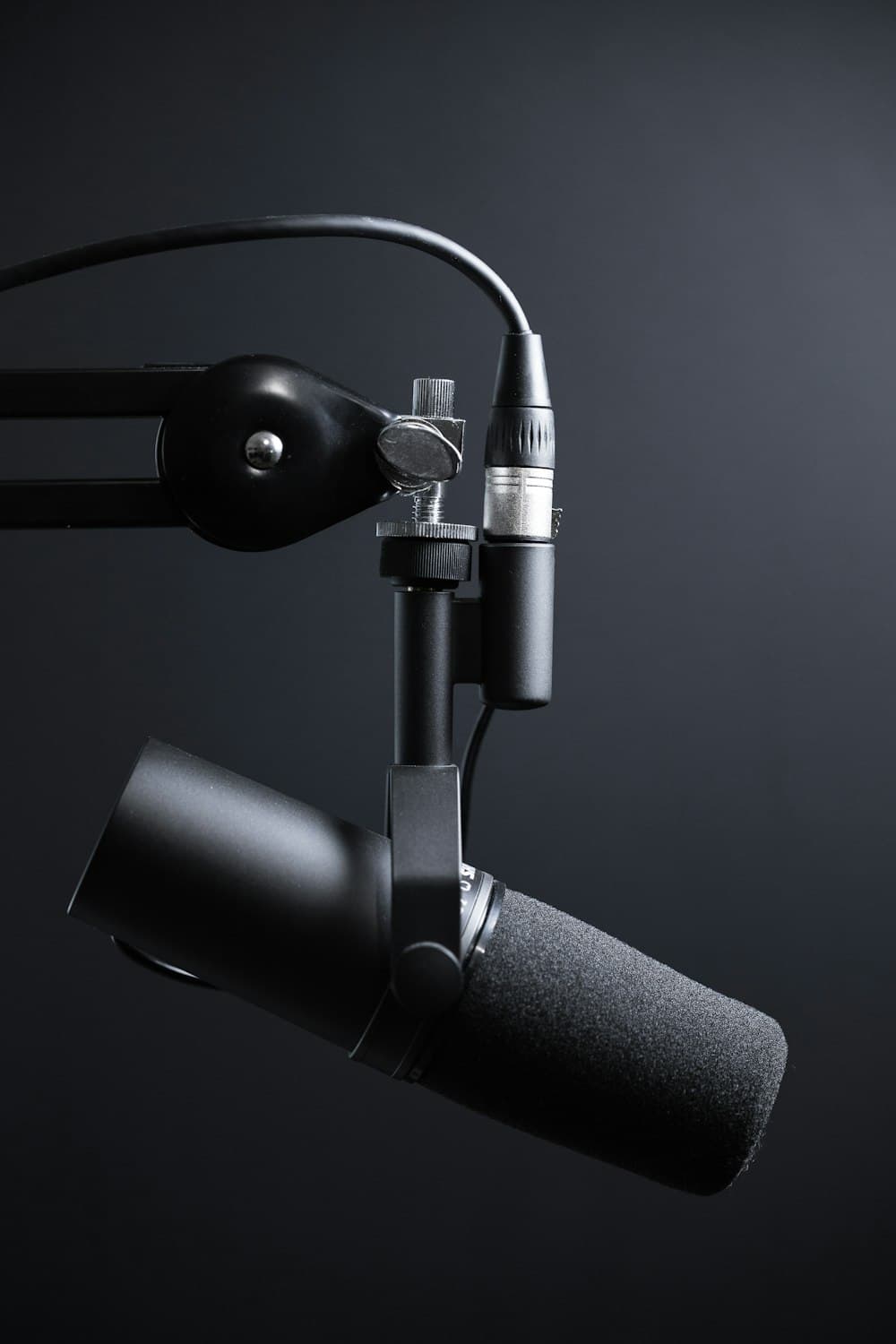
Professional studio microphone and headphones on workstation desk for voice interview practice

Key Takeaways & Executive Summary

6 min read
  • Silent reading triggers the "Fluency Illusion" — understanding a solution silently does not equal verbal recall under stress.
  • Stress Inoculation Training (SIT) desensitizes the acute fight-or-flight response, preserving working memory bandwidth.
  • Target speech rate is 130 to 150 WPM; intentional 2-3 second pauses replace filler sounds and convey authority.
  • 3 to 5 realistic out-loud voice mock sessions increase offer conversion rates by over 3x.

Why do well-prepared candidates frequently freeze during technical and managerial interviews? Cognitive psychology offers a clear explanation: the cognitive load of verbal formulation during stress differs fundamentally from silent reading or written problem-solving.

3.2x Faster Neural Retrieval Out Loud
-45% Cortisol Spike After 3 Mock Sessions
130–150 Ideal Speaking Words Per Minute

1. The "Fluency Illusion" in Silent Preparation

When candidates read interview cheat sheets or solutions on static websites, the brain experiences low cognitive friction. This creates the fluency illusion—the mistaken belief that because you understand a solution when reading it, you will effortlessly retrieve and explain it out loud under time constraints.

✕ Silent Reading / Rehearsal

Engages passive semantic recognition. Fails when adrenaline spikes because syntactic speech pathways have not been motor-trained.

✓ Spoken Verbal Retrieval

Forces simultaneous idea formulation, diaphragm breath pacing, and verbal trade-off defense, building robust neural pathways.

2. Stress Inoculation Training (SIT)

Research in high-performance psychology shows that the autonomic nervous system responds to job interviews with elevated cortisol and heart rate. Without prior habituation, this physiological arousal narrows working memory bandwidth.

By simulating realistic interview environments—facing an interviewer, wearing headphones, and speaking against an active timer—candidates undergo stress inoculation. Repeated exposures desensitize the acute fight-or-flight response, allowing executive function to remain calm.

3. Speech Cadence, Pacing, and Filler Word Loops

Under anxiety, human speech rates frequently accelerate past 175 words per minute (WPM). When the brain outpaces its ability to retrieve technical vocabulary, it inserts filler sounds ("um", "like", "basically", "you know") as cognitive place-holders.

The 3-Second Cognitive Rule

"When asked a complex question, pause for 3 deliberate seconds. An intentional silence conveys high authority and composure, while giving your brain the milliseconds it needs to organize structured bullet points."

4. Transforming Practice with Voice AI

Voice-first simulation on PracticeOnline combines low-latency turn-taking with automated pacing diagnostics, giving candidates the exact neuro-linguistic repetitions needed to sound composed on interview day.

Professional in video conference call demonstrating active recall communication

Verbal practice trains working memory retrieval under high-stakes simulated pressure.

Share this article
PR
About the Author

Pankaj Rawat

Founder & Engineering Lead at PracticeOnline

Pankaj builds voice AI systems for interview preparation, focusing on low-latency turn-taking, speech analytics, and adaptive diagnostic evaluation.

Frequently Asked Questions

How many mock interview sessions should I do before an on-site interview?

Cognitive science indicates that 3 to 5 realistic verbal mock sessions provide significant stress inoculation and pacing calibration for most candidates.

Does recording my voice help reduce interview anxiety?

Yes. Listening to your own recorded responses helps you become conscious of speech patterns, pacing rushes, and filler words, accelerating vocal improvement.

1 Free Full Session

Don't Just Read the Theory — Practice For Your Big Role

Speak out loud with an adaptive AI interviewer that asks real-time follow-ups and scores your readiness before your dream offer is on the line.

Keep Reading

More insights on AI mock interviews and interview strategies.

View all articles