Interview InsightsAll Articles

Analyzing 1,000+ Mock Interviews: The 5 Most Common Mistakes Candidates Make

Aggregated findings from 1,000+ mock interview transcripts reveal the top 5 mistakes that silently lower candidate scorecard ratings.

PR
Pankaj RawatFounder & Engineering Lead at PracticeOnline
August 10, 2026
5 min read
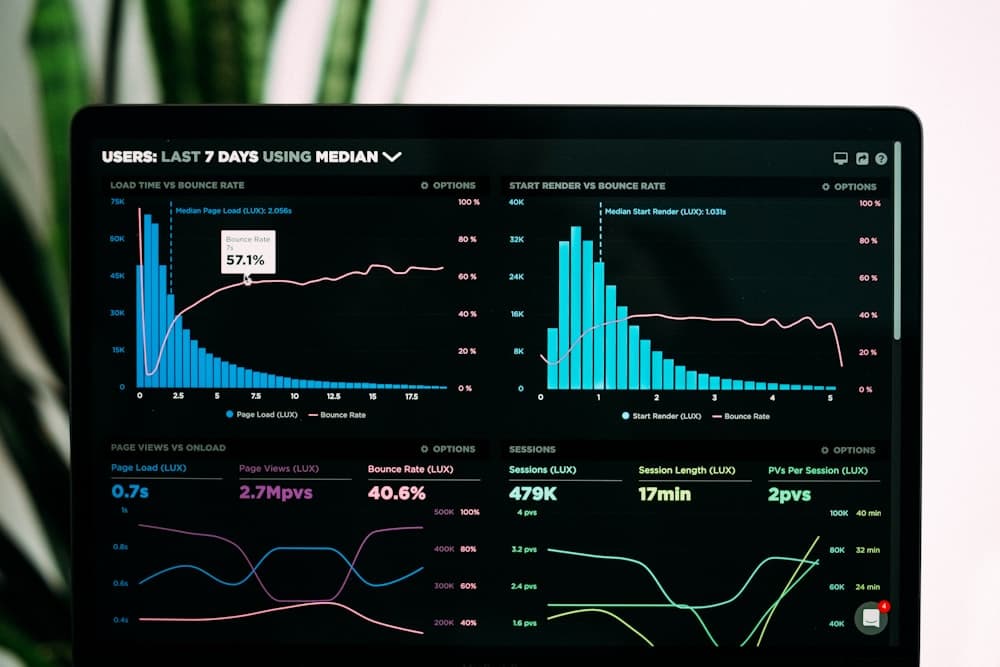
Analytics graphs, charts and performance scorecards on laptop display

Key Takeaways & Executive Summary

5 min read
  • Zero pause rushing lowers problem solving marks by 22%; taking a 3-5 second pause improves logical structure.
  • Average candidates used 8.4 filler words/min during concept transitions; deliberate silence sounds authoritative.
  • Answering hypothetically ("I would usually...") instead of historically ("In my last project, I...") loses credibility.
  • 58% of candidates omit quantified outcomes; always finish stories with measurable impact.

Over the past months on PracticeOnline, candidates have completed over 1,000 AI-powered mock interview sessions. By analyzing speech transcripts, pacing diagnostics, and rubric scores, we uncovered five recurring patterns that cost candidates interview offers.

Mistake 01 • Rushing Speech -22% Score Impact

1. The "Immediate Answering" Trap (Zero Pause)

Our data shows that candidates who start speaking within 0.5 seconds of the question being asked score 22% lower on structured problem solving compared to candidates who take a deliberate 3-to-5 second pause.

✓ The High-Scoring Fix: Composure Anchor

When an interviewer asks a question, acknowledge it calmly before framing your response:

"That is a great question. Let me take five seconds to structure my thoughts and outline the core pillars."
Mistake 02 • Speech Cadence 8.4 Fillers / Min Average

2. High Filler Word Density During Cognitive Transitions

The average candidate in our dataset used 8.4 filler words per minute (um, actually, like, you know, basically). Filler words peaked when candidates were transitioning between conceptual ideas or searching for words.

✓ The High-Scoring Fix: Comfortable Silence

Replace filler sounds with comfortable silence. A 1-to-2 second pause sounds confident and thoughtful to an interviewer, whereas an extended "ummm" conveys uncertainty.

Mistake 03 • Behavioral Framing 40% Candidate Fallback

3. Answering Hypothetically Instead of Historically

When asked behavioral questions, over 40% of candidates answered with hypothetical language: "In that scenario, I would usually gather the team and discuss..." rather than recalling a specific real project.

✓ The High-Scoring Fix: Historical Reality Anchor

Always anchor behavioral questions in past reality:

"In my last role at TCS, we faced this exact situation when our microservice queue backed up during a flash sale..."
Mistake 04 • Incomplete STAR 58% Missing Outcomes

4. Omitting Quantified Results in the STAR Formula

In behavioral evaluations, the "Result" component was missing or unquantified in 58% of candidate transcripts. Candidates explained their actions in detail but stopped short of explaining the outcome.

✓ The High-Scoring Fix: Quantified Impact Finish

Conclude your story with a concrete metric or explicit learning outcome:

"As a result, our test coverage grew from 45% to 85%, and production rollbacks dropped to zero over the next quarter."
Mistake 05 • Speech Speed > 165 WPM Correlation

5. Monotone Vocal Delivery & Pacing Rushes

Transcripts indicated that speaking speeds exceeding 165 words per minute (WPM) strongly correlated with lower confidence marks on evaluator scorecards.

✓ The High-Scoring Fix: The 130–150 WPM Target

Target a steady, conversational pace of 130 to 150 WPM. Modulate your vocal pitch when emphasizing key technical achievements on PracticeOnline.

Professional taking a deliberate pause before answering an interview question

A 2-to-3 second thoughtful pause scores 22% higher than an immediate rushed answer.

Share this article
PR
About the Author

Pankaj Rawat

Founder & Engineering Lead at PracticeOnline

Pankaj builds voice AI systems for interview preparation, focusing on low-latency turn-taking, speech analytics, and adaptive diagnostic evaluation.

Frequently Asked Questions

What is the ideal speaking speed for interviews?

The ideal conversational pace is between 130 and 150 words per minute (WPM). Speaking faster than 170 WPM can make you sound rushed and nervous.

How do I reduce filler words?

Practice speaking with deliberate pauses. Recording your voice during mock interviews allows you to become conscious of trigger words and eliminate them.

1 Free Full Session

Don't Just Read the Theory — Practice For Your Big Role

Speak out loud with an adaptive AI interviewer that asks real-time follow-ups and scores your readiness before your dream offer is on the line.

Keep Reading

More insights on AI mock interviews and interview strategies.

View all articles